
Looking For a Reverse Osmosis System? Here Are 10 Things Every Texas Homeowner Should Know
Texas water presents unique challenges. From the high mineral content in the Hill Country to the chlorine used in municipal systems in San Antonio and Austin, your tap water often requires more than a simple pitcher filter. A reverse osmosis (RO) system is one of the most effective ways to ensure your family has access to high-quality drinking water.
Before you invest in a water purification system, review these 10 essential facts. This guide will help you make an informed decision without the pressure of a sales pitch.
1. Start With a Water Test
Every home has different water quality. Before you purchase any equipment, perform a comprehensive water test. You need to identify the specific levels of hardness, Total Dissolved Solids (TDS), and chlorine in your supply. In Texas, municipal water often contains between 3 to 8 grains per gallon (GPG) of hardness, while well water can exceed 20 GPG. Knowing these numbers allows you to calibrate your system correctly.
2. Understand Point-of-Use vs. Whole-Home
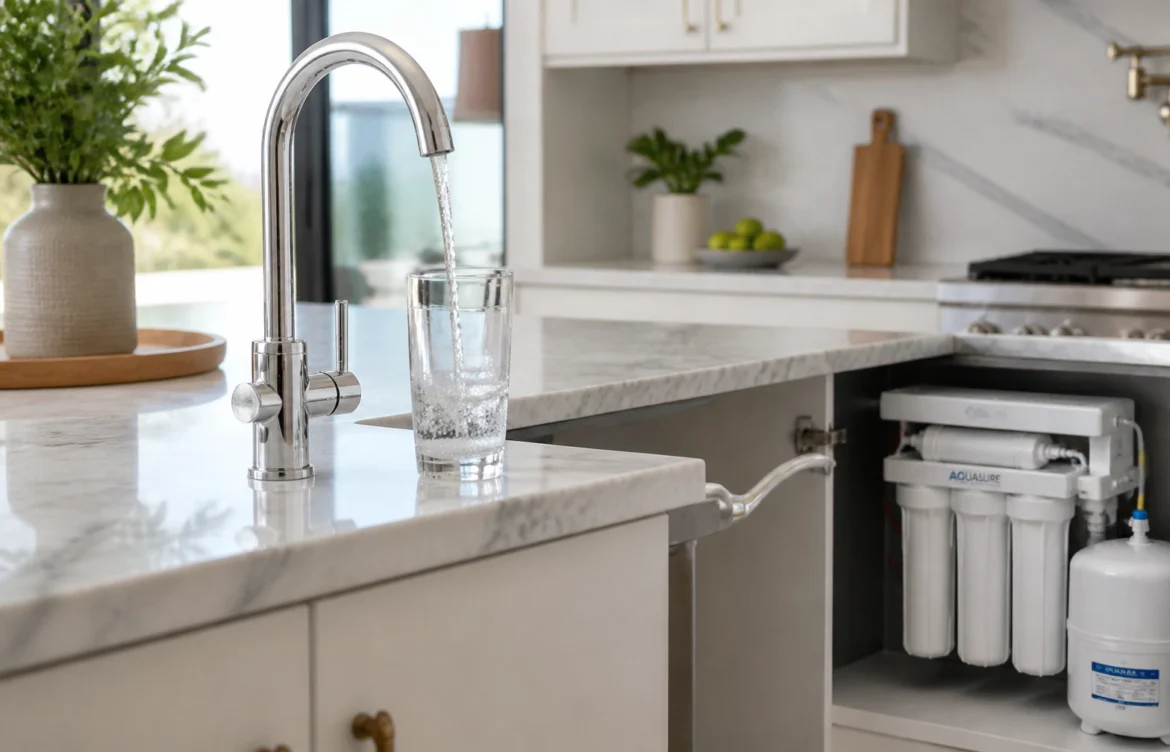
Most reverse osmosis systems are "point-of-use" (POU) systems. These are typically installed under the kitchen sink and provide purified water through a dedicated faucet. While whole-home RO systems exist, they are complex and expensive. For most Texas families, a POU system for drinking and cooking is the most practical and cost-effective choice. To learn more about the differences, read our guide on water purification systems vs. reverse osmosis.
3. The Relationship Between RO and Hard Water
Texas is famous for hard water. While a reverse osmosis membrane can remove calcium and magnesium, high hardness levels will quickly foul the membrane. This leads to frequent replacements and system inefficiency. If your water is hard, install a water softener before the RO system. The softener removes the minerals that cause scale, protecting your RO membrane and extending its lifespan.

For more information on managing hard water, visit our post on how a water softener can save your Texas home.
4. Chlorine Must Be Removed First
Municipalities in Texas use chlorine or chloramines to disinfect water. While necessary for safety, chlorine can damage the Thin Film Composite (TFC) membranes used in most RO systems. Ensure your system includes a high-quality carbon pre-filter. This filter removes chlorine before the water reaches the membrane, preserving the integrity of the system and improving the taste of your water.
5. Reverse Osmosis Protects Against PFAS
"Forever chemicals" or PFAS are an increasing concern for homeowners. These contaminants are persistent and difficult to remove. A high-quality reverse osmosis system, combined with activated carbon filtration, is one of the most effective methods for reducing PFAS levels in your drinking water. Learn why PFAS protection matters more than ever for Texas residents.
6. Systems Produce "Wastewater"
The reverse osmosis process involves flushing contaminants away from the membrane. This results in some water being sent to the drain. Modern, high-efficiency systems have improved this ratio significantly. When choosing a system, check the recovery rate. A professional installation ensures the system is optimized to minimize waste while maintaining high water quality.
7. Monitoring Performance via TDS
Total Dissolved Solids (TDS) refers to the inorganic salts and organic matter dissolved in your water. The primary indicator of a functioning RO system is a significant reduction in TDS. After installation, use a digital TDS meter to monitor your water. A sudden rise in the TDS reading indicates that it is time to replace your membrane or filters.

8. Remineralization and Taste
Because reverse osmosis removes almost everything from the water, the final product can sometimes taste "flat" to those used to mineral water. Some systems, like our Alkaline Filter options, include a remineralization stage. This adds a small amount of beneficial minerals back into the water after purification. This improves the pH balance and provides a more refreshing taste.
9. RO vs. Bottled Water Costs
Investing in a home water purification system is significantly cheaper than buying bottled water over the long term. You eliminate the cost of the plastic, the logistics of transport, and the environmental impact of single-use bottles. Most Texas families find that the system pays for itself within the first year of use. Review the 15 ways a reverse osmosis system saves you money for a detailed breakdown.

10. Choose a Local Service Partner
A water system is a long-term investment. It requires occasional filter changes and professional check-ups to remain effective. Avoid high-pressure sales companies that use "fear tactics" about your water. Instead, look for a local, family-owned business. At Honest Water of Texas, we treat you like a neighbor. We offer straightforward pricing and honest assessments based on over 20 years of experience.
Start Your Journey to Better Water
If you are ready to improve your home's water quality, start with a conversation. Visit our About Us page to learn more about our philosophy or explore our full range of services. We provide the solutions you need for cleaner, safer water without the runaround.
For a comprehensive overview of your options, read The Ultimate Guide to Water Purification Systems in Texas.